2026 declared the “European Year of Central Asian Tourism and Culture”
Tashkent – On 28 November 2025, the first Central Asia–EU Tourism Forum took place in the Uzbek capital. Senior representatives of all five Central Asian states, along with institutions of the European Union, met to discuss how sustainable tourism can strengthen regional cooperation, support local communities, and protect Central Asia’s cultural and natural heritage.
The event marked the launch of a structured dialogue between the EU and Central Asia on tourism policy, knowledge exchange and practical cooperation. It also brought together leading stakeholders from the European travel and tourism industry.
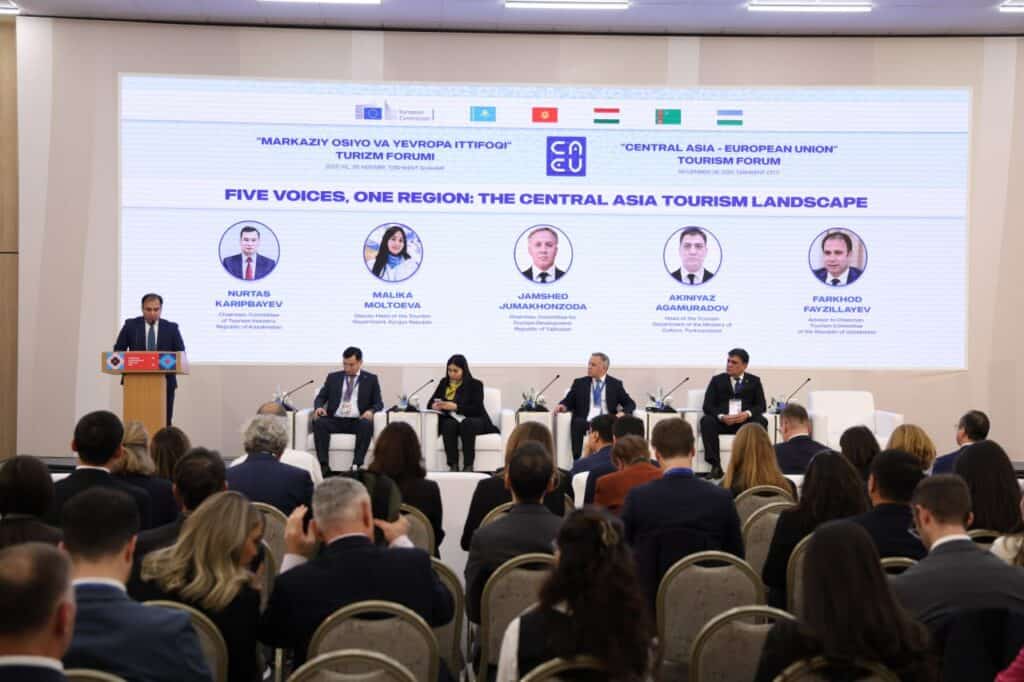
From Germany, Dalya Altuntepe, founder and managing director of travel company nüma, specialised in Central Asian destinations, participated in the forum. Drawing on her extensive experience in cross-border tourism development in the region, she contributed the perspective of the German and Central European markets as well as her expertise in fostering regional connectivity between the countries.
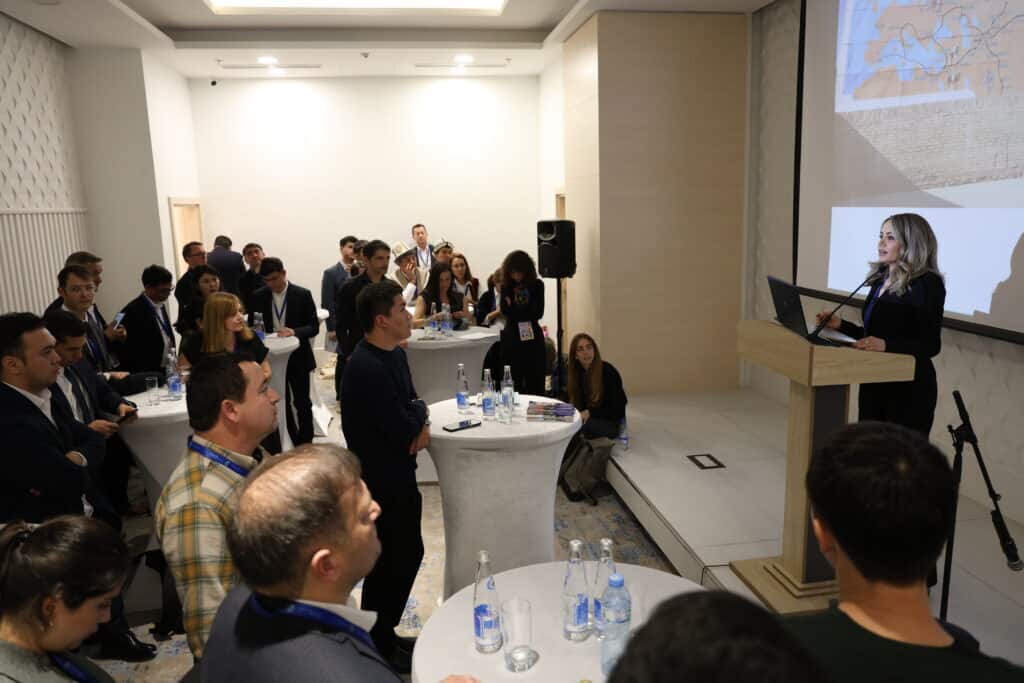
During the forum, Altuntepe officially announced the declaration of 2026 as the “European Year of Central Asian Tourism and Culture.” The thematic year will include a wide range of B2B formats, cultural and tourism events, and cross-sector initiatives in Germany and selected European markets, with the aim of strengthening Central Asia’s visibility as a diverse cultural sphere and attractive travel region.
Central Asian countries possess exceptionally rich cultural traditions and a wide variety of natural landscapes, yet they are often perceived without sufficient differentiation in the European market. The thematic year seeks to highlight both the distinct identities of each country and their shared regional context.
Through a series of tourism-oriented formats, nüma – in cooperation with official tourism bodies, cultural institutions and private sector companies from Central Asia – will contribute to sharpening the individual profiles of the countries while enhancing understanding of Central Asia as a coherent cultural and travel region.
In addition to tourism-oriented initiatives, the 2026 agenda will place a strong emphasis on cultural heritage and the creative industries. Its aim is to highlight key aspects of Central Asia’s cultural diversity, make its heritage more accessible to wider audiences, and encourage exchange on cultural forms of expression, both within the region and in the broader European context.